
Not affiliated with, or endorsed by, any railway operator mentioned. Train layouts, locks, cabin options and staffing vary by operator, route and date — check the official operator before booking. Some links in this guide may earn us a commission at no extra cost to you; see our Affiliate Disclosure for details.
Short answer: travelling alone on a European night train is very doable with a little planning. The biggest practical choices are your cabin type, where you put your valuables, how you use the compartment door, and what you will do if you feel uncomfortable. This guide covers those choices in plain language, without promising that any journey will be trouble-free, because no guide can guarantee that. It is general practical information, not a substitute for checking your operator, your ticket conditions and local advice for the places you visit.
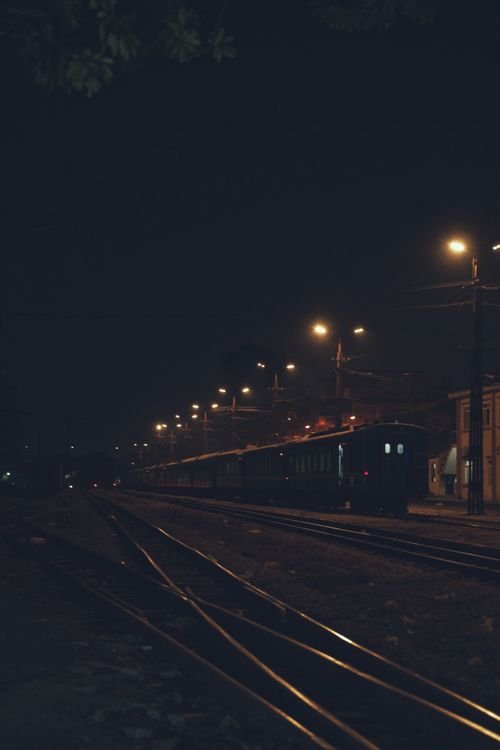
What night-train safety actually means in practice
On a night train, most “safety” is really about comfort, privacy and organisation. You are sleeping, or trying to sleep, in a moving space shared with strangers or, if you pay for it, on your own. Doors, lights, luggage space and staff presence all differ from train to train. A modern sleeper with a lockable private room feels very different from an older open couchette carriage, and a busy main route feels different from a quiet late-night connection. Knowing which type you have booked, and what it does and does not offer, matters more than any single gadget or trick.
It also helps to separate what you can control from what you cannot. You can choose a cabin type, keep valuables close, lock a door where one is fitted, and decide in advance when you will ask staff for help. You cannot control who else is booked into a shared compartment, whether a train is delayed, or whether a station is busy when you arrive. Planning for those unknowns, rather than assuming they will not happen, makes the journey calmer. For a general introduction to sleeping on trains, read our first-time sleeper train guide alongside this one.
Choosing a cabin type when you travel alone
Your cabin choice is usually the biggest decision, and it is also where fares vary most. Prices and availability change by route, date and operator, so check the official operator site for your journey rather than relying on a figure quoted elsewhere. In general, the options fall into three broad groups, and the details vary by train.
- Private sleeper cabin: a room for one or more people, usually with a door you can lock from inside, bedding and, on some trains, a washbasin or shower. This gives the most privacy, and it is the option many solo travellers choose when the fare works for them. Check what is included, whether the room is single occupancy or a shared room sold for sole use, and whether bedding, towels and breakfast are included.
- Couchette: a compartment with bunks, usually shared with other passengers. It is cheaper than a private sleeper and still gives you a flat place to lie down. Privacy is lower, doors and locks vary, and you may be sharing with people you do not know. Ask the operator whether a women-only or single-gender compartment is available on your route and date, as availability varies and is not offered on every train.
- Seated carriage or reclining seat: the lowest-cost overnight option on some trains. You do not get a bed, and you may be in an open carriage. Some solo travellers prefer this for short overnight journeys, but for a full night it is much harder to rest, and keeping bags close takes more thought.
Our Nightjet couchette vs sleeper vs deluxe guide explains the differences in more detail for one major operator, and our Nightjet Mini Cabin review looks at a smaller private option for solo travellers. Both are useful background, but always check the current layout for your own train, because stock changes by route and date. If you are comparing sleeper trains more widely, start with our Best Luxury Sleeper Trains in Europe in 2026 — Comparison Guide.
Before you book: questions worth asking the operator
A few minutes of checking before you pay can prevent most surprises. These questions are worth asking on the operator’s own site or booking page, because answers vary:
- Is the compartment lockable from inside, and does that apply to my cabin type and train?
- Is a women-only compartment, a private cabin, or sole occupancy available on this route and date?
- Can I choose an upper or lower berth, and does that matter for getting in and out at night?
- Where is luggage stored, and is there space inside the compartment or only in a corridor rack?
- Is there staff on board overnight, and how do I contact them?
- What happens if the train is delayed, diverted or split, and where will I be asked to change?
Write down the answers, or save a screenshot of the booking, so you are not trying to remember them at midnight. Our guide to booking European sleeper trains walks through the booking steps in more detail, and our sleeper vs flight comparison can help you decide whether an overnight train is the right choice for a particular trip at all.
Compartment doors and locks: what to check on arrival
When you first get to your compartment, take a minute to look around before you settle in. Find the door lock, if one is fitted, and try it so you know how it works. Some doors lock with a key card, some with a key, and some with a simple latch. On some older carriages, doors may not lock in the way you expect, or may lock only from one side. If you are unsure, ask a member of staff to show you, and check whether the door can be opened from the corridor in an emergency, as staff may need access.
Keep the corridor side in mind too. A compartment door that is closed and locked gives more privacy, but it also means you need to be able to open it quickly if you need to leave. Do not block the door with luggage in a way that would make it hard to get out, and keep a small light or your phone within reach so you are not fumbling in the dark. If you are sharing a compartment, agree simple courtesies early: lights out, phone volume, and who will use the door during the night. A short, friendly word when you arrive often makes the whole night easier.
If your compartment does not have a lock, or you are in an open seated carriage, adapt rather than worry about it. Keep your most important items on your person or in a small bag you can keep close, and use the larger luggage rack only for things you would not mind being out of sight. A small padlock or cable lock can be useful for a bag in some situations, but check that it does not block an aisle or create a hazard, and do not rely on it as a substitute for keeping valuables close.
Valuables, documents and what to keep close
Pack in layers. Your passport or identity document, payment cards, phone, charger and any medication you need during the night should stay in a small bag that stays with you, ideally under or beside your berth rather than in a corridor rack. Larger bags can go in the compartment storage or rack, and it helps to keep a change of clothes and toiletries in a separate small bag so you do not need to open a large case in a dark compartment.
Keep a copy, paper or digital, of your ticket, passport details and accommodation address separate from the originals, and share your rough plan with a trusted person before you leave. That does not need to be a minute-by-minute itinerary: the train, the date, and where you expect to arrive are usually enough. Charge your phone before boarding, and carry a charger that works on the train if one is available, because sockets vary and may not be beside every berth. Our sleeper train packing list covers the practical items that make a night on board more comfortable.
Sleeping well without losing track of the journey
Most solo travellers find that a simple routine helps. Change into comfortable clothes, set an alarm for well before your arrival station, and keep your shoes and morning essentials where you can find them without turning on a bright light. Earplugs and an eye mask are worth packing, because noise and light vary a great deal by carriage and route. If you are a light sleeper, a lower berth is often easier for getting up during the night, while an upper berth can feel more out of the way; there is no single right choice, and availability varies.
Border and ticket checks can happen during the night on some cross-border routes. Staff may knock, ask for documents, or check tickets while you are half asleep. Keeping your ticket and passport within easy reach, rather than buried in a large bag, makes those checks quick and less disruptive. If you are unsure what is being asked, it is fine to ask staff to explain, and to check the name of the station before you get off.
Stations, departures and arrivals
Stations are where most solo travellers feel least sure, especially late at night or very early in the morning. A few practical habits help. Arrive with enough time to find your platform without rushing, and check the departure board and your ticket for the platform, carriage and seat or berth number. Large stations usually have staff, information screens and waiting areas; smaller stations may be quieter and have fewer facilities, so check in advance what to expect at your departure and arrival stations.
On arrival, know roughly how you will get to your accommodation before you step off the train. That might be a short walk, a tram, a metro or a taxi, and it is easier to sort out in daylight, or at home, than on a dark platform. Keep your accommodation address written down, not only on your phone, in case your battery is low. If you arrive very early, check whether your accommodation offers early check-in or luggage storage, so you are not left waiting with bags for hours. Our guides to hotels near Vienna Hbf and hotels near Zurich HB show how station location can shape that first morning, and the same thinking applies wherever you arrive.
When you change trains at night, stay on well-lit platforms where possible, follow station signs, and ask staff if a connection is unclear. If a connection is tight or a train is delayed, do not run across a station with heavy bags if you are unsure of the way; it is better to miss a connection and ask staff about the next option than to end up on the wrong platform. Delays happen, and operators have their own rules for rebooking and onward travel, so check the operator’s guidance for your ticket.
What to do if you feel uncomfortable
Feeling uncomfortable does not always mean something is wrong, and it does not mean you have done anything wrong. It is a useful signal to act on calmly. If you feel uneasy in a shared compartment, you can move to the corridor, sit in a more public part of the train, or speak to a member of staff. Staff on board can often help you move to another compartment or carriage if space allows, although that depends on availability and cannot be guaranteed.
If someone’s behaviour is bothering you, you do not need to argue or explain yourself at length. A short, clear statement, moving away, and telling staff are all reasonable steps. Keep your phone charged and within reach, and if you need help urgently, follow the train’s own instructions for contacting staff and, where needed, local emergency services. If you get off at an unplanned station, head for a staffed area, a waiting room or a public place, and contact your accommodation or a trusted person to let them know your new plan.
Afterwards, note down what happened, when, and which train and carriage you were in, while it is fresh. That makes it much easier to report something to the operator later, if you choose to. Operators have their own complaints and feedback routes, and keeping your ticket and booking reference helps with any follow-up.
Common pitfalls for solo travellers
- Booking the cheapest bed without checking the layout: a shared couchette, a private cabin and a seat are very different nights. Check the layout before you pay.
- Assuming every compartment locks the same way: locks, keys and latches vary by train and carriage. Test yours on arrival and ask staff if you are unsure.
- Putting everything in one large bag: keep documents, cards, phone and night essentials in a small bag that stays with you.
- Arriving with no plan for the other end: know how you will get from the station to your accommodation, especially for early arrivals.
- Leaving phone charging to chance: charge before boarding, and do not rely on a socket beside every berth.
- Ignoring the operator’s own information: timetables, cabin details and staffing vary, so check the official operator site for your date, not just a general guide.
Routes that work well for a first solo night train
If this is your first solo night train, a straightforward, well-used route can be a good place to start. Our Paris to Vienna Nightjet guide and Amsterdam to Zurich Nightjet guide cover two established overnight routes, and our Zurich to Vienna Railjet vs Nightjet comparison shows how a daytime train and an overnight train on the same corridor differ. For a longer sleeper journey, our Berlin to Stockholm Snälltåget guide explains seasonality and cabin choices on that route. In each case, the same principles apply: choose your cabin type deliberately, check the operator for your date, and have a plan for arrival.
Frequently asked questions
Is it safe for a woman to travel alone on a night train in Europe?
No guide can guarantee safety on any journey, and experiences vary by route, train and date. What you can do is reduce uncertainty: choose a cabin type you are comfortable with, check locks and staff presence for your train, keep valuables close, and know how to contact staff if you feel uncomfortable.
Should I book a private cabin or a couchette?
A private cabin gives the most privacy and is often the simplest choice for a first solo trip, if the fare works for you. A couchette is cheaper and still gives you a bed, but you share the compartment and privacy is lower. Check whether a women-only compartment is available on your route and date, as availability varies.
Do night-train compartments lock?
It depends on the train and cabin type. Many private cabins have a lock you can use from inside, while locks on shared compartments and older carriages vary. Check on arrival, try the lock, and ask staff if you are unsure how it works.
What should I keep with me overnight?
Keep your ticket, passport or identity document, payment cards, phone and charger, and anything you need during the night in a small bag that stays with you. Larger bags can go in compartment storage or a rack.
What should I do if I feel uncomfortable on board?
Move to a more public part of the train if you can, and speak to a member of staff. Staff may be able to help you move if space allows. If you need urgent help, follow the train’s instructions for contacting staff and local emergency services, and note down the train, carriage and time afterwards.
Is a night train a good first solo trip?
For many travellers, yes, especially on a straightforward route with a cabin type they have chosen deliberately. Start with a route you understand, arrive with a plan for the other end, and check the operator’s information for your date rather than assuming every train works the same way.
Last checked: 27 October 2026. Train layouts, cabin options, locks and staffing change by operator, route and date, so check the official operator before booking.