
Not affiliated with, or endorsed by, any railway operator mentioned. Fares, reservations and inclusions vary by route, class and date — check the official operator site before booking. See our Affiliate Disclosure for details.
Short answer: this luxury train travel Switzerland cost breakdown shows that, on Swiss panoramic trains, the total cost is usually made up of two different things — a ticket for the journey and, on some trains and classes, a separate seat reservation or supplement. A higher class or a premium class does not automatically include everything, and a pass does not automatically cover the reservation. That is why two travellers on the same train can pay different totals: one may need only a ticket, another may need a ticket plus a reservation, and another may choose a premium seat with extra service. All fares vary by route, class and date — check the operator — so this guide explains what drives the total up or down, without giving fixed fares.
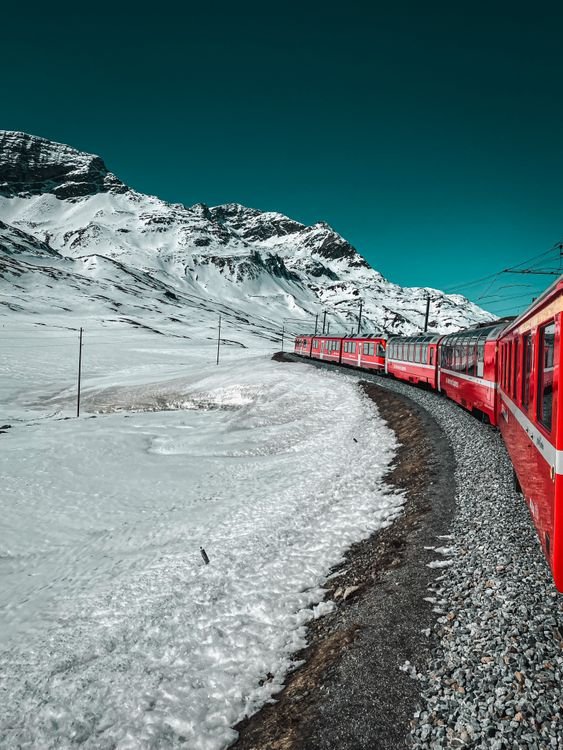
Luxury train travel Switzerland cost breakdown: ticket versus reservation — the distinction that matters most
The single most useful distinction in Swiss luxury and panoramic travel is between a ticket and a reservation. A ticket is your right to travel on a route. A reservation is your right to a particular seat, in a particular class, on a particular departure. On some Swiss trains, a reservation is required; on others it is optional; and on some premium services it is part of a supplement that also covers extra service. If you hold a rail pass, the pass may cover the ticket part, but you may still need to pay for the reservation or supplement separately. If you do not hold a pass, you will usually need to buy a ticket and, where required, a reservation as well. That is why a headline fare quoted by someone else may not match your total: they may be quoting only the ticket, only the supplement, or a combined fare for a different date and class. Always ask, for your specific departure, what is included in the price you are shown, and what else you still need to buy. Check the official operator site, and keep a note of whether the price includes the seat, the class upgrade and any meals or service.
Glacier Express: what drives the cost
The Glacier Express is a long, scenic daytime journey, and its cost is shaped by distance, class and any premium option you choose. Second class is the standard panoramic experience, first class gives more space and a quieter carriage, and Excellence Class, where available, is a premium, smaller carriage with extra service and at-seat catering arrangements that vary by date — check the operator. The fare varies by route, class and date, so no fixed figure is given here. What you pay extra for, beyond the basic ticket, depends on whether a seat reservation is required for your departure and whether you choose food or drink on board. Food on a daytime panoramic train is usually bought separately, unless a premium class explicitly includes a particular service, and even then the menu and inclusions vary. Our Glacier Express Excellence Class review and our Bernina Express vs Glacier Express comparison give more background on the experience, while our luxury sleeper train cost guide explains a similar ticket-plus-supplement pattern for overnight luxury trains.
Bernina Express: classes and reservations
The Bernina Express is famous for its open scenery and its climb through the Alps, and its cost structure follows the same ticket-plus-reservation logic. You need a ticket for the route, and for the Bernina Express itself a seat reservation is normally part of the journey, with the amount varying by class and date — check the operator. First class gives more room and a different carriage feel, second class is the standard panoramic carriage, and the choice between them is mainly about space, window size and how busy the carriage feels, not about a different route. The Bernina route also has regional trains that run on a similar route without the same panoramic reservation, and those can be a different total cost, but they are a different experience and a different timetable — check the operator. Do not assume that a Bernina Express fare quoted for one season, class or starting point applies to your journey. Our Bernina Express complete guide covers route and classes in more detail.
GoldenPass Express: Prestige, first and second class
The GoldenPass Express runs between Montreux and Interlaken, and its classes are a good example of how a premium seat changes the total. Second class is the standard seat, first class gives more space, and Prestige Class is a premium, smaller section with seats that turn to face the direction of travel and extra service that varies by date — check the operator. The reservation or supplement for Prestige Class is separate from the basic ticket in the same way as on other panoramic trains, and the total varies by route section, class and date. That means the cheapest way to travel the GoldenPass route and the most spacious way to travel it are not the same product, even though they cover the same scenery. If you are choosing mainly for the view, second or first class may be enough. If you are choosing for extra space, a turning seat and a quieter section, Prestige Class is the option to price separately. Our GoldenPass Express complete guide and our GoldenPass Express Prestige Class review explain those classes in more depth.
What drives cost up, and what brings it down
- Class: first class and premium classes cost more than second class, mainly for space, quiet and service, not for a different route.
- Reservation or supplement: where a seat reservation is required or a premium supplement applies, that amount is added to the ticket, and it varies by date and class — check the operator.
- Route length and sections: a longer journey or a journey split across operators can involve more than one ticket or supplement.
- Date and demand: peak dates, weekends and popular departures can be priced differently from quieter ones, and availability can change the options left.
- Food and drink: meals bought on board are usually extra, unless a premium class explicitly includes a stated service for your date.
- Passes: a pass may cover the ticket part but not the reservation, so the total for a pass holder is not automatically zero.
- Combining trains: a multi-day itinerary that links Glacier, Bernina and GoldenPass involves several tickets and reservations, not one single fare.
To bring the total down, the levers are practical, not mysterious: travel in second class if space is not your priority, avoid a premium class where the extra service does not matter to you, check whether a regional alternative covers the same scenery for your purpose, and price the whole journey — ticket plus reservation plus food — before you decide. To understand the total, do the opposite: add up every part, and do not compare a ticket-only price with a ticket-plus-reservation price as if they were the same thing. Our 7-day Alps scenic train itinerary shows how several of these trains link together, and our Best Luxury Sleeper Trains in Europe in 2026 — Comparison Guide puts Swiss daytime luxury in context alongside overnight luxury sleepers.
How to price your own journey, step by step
Start with the exact route and date, then check the official operator site for that departure. Note the ticket price, the reservation or supplement price, the class, and what, if anything, is included for food or service. Repeat that for each train in your itinerary, because a Glacier, Bernina and GoldenPass combination is three separate pricing decisions, not one. If you hold a pass, check separately whether the pass covers the ticket, the reservation, or both, and what supplement remains. If you are travelling as a group or family, check whether any class or carriage has a different layout or minimum booking condition, because that can change the total and the availability. Finally, add a realistic amount for food, station transfers and any hotel night you need before or after a long daytime journey. That last step is easy to forget, but it is part of the real cost of a luxury train day, even though it is not part of the train fare itself.
Frequently asked questions
Does a Swiss rail pass cover the Glacier, Bernina and GoldenPass trains completely?
Not necessarily. A pass may cover the ticket part, but a seat reservation or supplement may still be payable, and the amount varies by train, class and date — check the operator for your journey.
What is the difference between a ticket and a reservation?
A ticket is your right to travel on a route. A reservation is your right to a particular seat, class and departure. On some panoramic trains a reservation is required, on others it is optional, and on premium classes it may be part of a supplement.
Is first class worth the extra cost on a Swiss panoramic train?
It depends on what you value. First class mainly gives more space and a quieter carriage, not a different route or view. If space matters, it can be worth pricing; if the view is your priority, second class may be enough.
Are meals included in a luxury Swiss train fare?
Usually food and drink are bought separately, unless a premium class explicitly includes a stated service for your date. Menus and inclusions vary — check the operator.
Why do fares for the same train differ?
Because fares vary by route, class, date, demand and whether a reservation or supplement is included. A ticket-only price and a ticket-plus-reservation price are not the same total, even for the same train.
Last checked: 27 October 2026. Fares, reservations and inclusions change by route, class and date, so check the official operator site for your journey before booking.
Pingback: First-Class Train Travel in Europe: Is It Worth It?