
Not affiliated with, or endorsed by, any railway operator mentioned. Timetables, fares, cabin details, ski conditions and onward transport vary by operator, route, train and date — check the official operator site before booking. See our Affiliate Disclosure for details.
Short answer: a sleeper train can be a calm, practical way to reach Innsbruck for a winter ski trip, because you travel overnight and arrive ready for the next part of your journey. It is not, however, a door-to-door ski transfer. You still need to plan the last part of the trip from Innsbruck to your accommodation and to the slopes, and you need to check what your chosen train, cabin and ticket actually include, because fares, times, luggage rules and onward connections vary — check the operator.
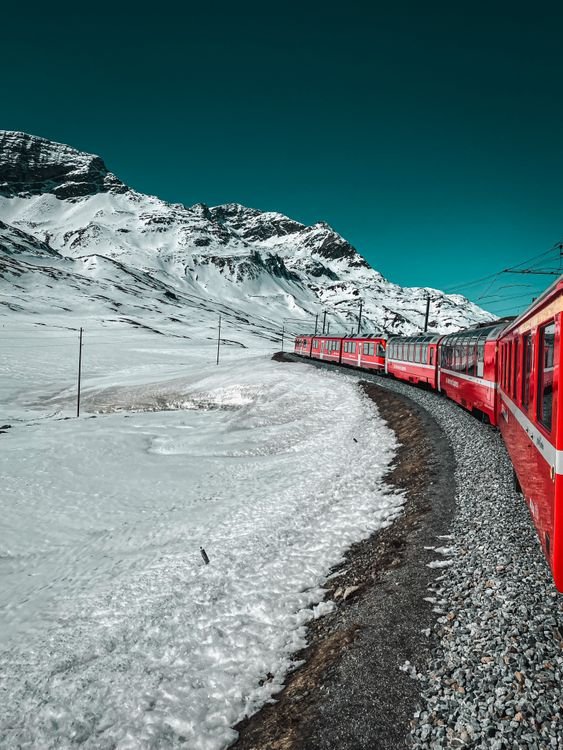
Why take a sleeper train to Innsbruck in winter?
For many winter travellers, the appeal is simple: the night does the travelling. Instead of spending a daytime journey watching the hours pass, you board in the evening, settle into a cabin or couchette, sleep as best you can, and wake up much closer to the mountains. That can feel especially useful for a ski trip, because the first day on snow is often the day when tiredness, cold and unfamiliar transport are hardest to manage. Arriving after a night on a train does not remove those challenges, but it can change their shape. You are already in the region, you have already done the longest part of the journey, and you can focus on the shorter, local part that remains.
There is also a comfort point that matters in winter. A sleeper journey keeps you indoors, warm and moving, rather than asking you to change between several cold platforms late at night or very early in the morning. That said, winter travel always needs a margin for delay. Snow, ice and busy seasonal services can affect trains and local transport alike, so a sensible plan leaves time between arrival and any fixed onward connection, ski lesson or check-in time. If you are travelling with children, with a lot of ski equipment, or with anyone who finds early mornings difficult, that margin is even more important. Think of the sleeper as the main journey, not the whole journey, and plan the arrival day as a travel day in its own right.
What to expect from a winter sleeper journey
A winter night train is, first and foremost, a night train. Cabins are compact, corridors are narrow, and the train will stop, move and change in ways that can wake a light sleeper. Heating is normally provided, but the temperature in a cabin can feel different from home, so layers are useful even on board. Bring a warm layer you can put on quickly, warm socks, and something to drink, because you may not want to walk through the train in the middle of the night. Keep your phone, documents, money, medication and anything you will need first thing in the morning close to you, rather than buried under luggage.
Food and drink on board vary by train, cabin and operator. Some services offer a simple breakfast, some offer food to buy, and some offer very little, so do not assume a full meal is included. Our sleeper train food and dining guide explains the usual pattern in more detail, and our first-time sleeper train guide covers sleep, noise, light and the overnight routine. For a winter trip, the practical lesson is to carry water and a light snack, and to check the operator for what is included on your exact departure. Breakfast, in particular, can make the arrival morning much easier, but only if you know whether it is included, when it is served, and whether you need to order it in advance.
Choosing a cabin for a ski trip
Cabin choice matters more on a ski trip than on a light-packing city break, because you are carrying bulky clothing and, possibly, ski equipment. In general, a private sleeper gives you the most control over space, privacy and sleep, and it is usually the easiest option if you are travelling as a couple or a family and want to keep bags together. A couchette, where berths are shared or arranged in a small compartment, can be a good middle option, but space is tighter and you need to be comfortable sharing. A seat-only option is the least comfortable for an overnight winter journey, especially if you are tired, cold or carrying ski bags, and it is best treated as a budget choice rather than a restful one. Our Nightjet couchette vs sleeper vs Deluxe guide explains these differences in detail, and it is worth reading before you choose, because the cabin you pick affects sleep, storage and what breakfast or service, if any, is included.
Also think about who is travelling. Solo travellers may prefer a private cabin for security and space, or a couchette if they are happy to share and want to keep costs flexible — fares vary, so check the operator for your date. Families may need to check how berths are allocated, whether children can share, and whether the cabin can hold all of the luggage without blocking the door or the corridor. If anyone in your group needs step-free access, a lower berth, or space for mobility equipment, check that with the operator before booking, rather than assuming it from a general guide. The same applies to en-suite facilities: some private cabins include a washroom or shower, others do not, and the details vary by train and cabin type. Our guide to private bathrooms and showers, linked from the cabin comparison, is a useful check, but the operator’s information for your exact train is the final word.
Ski luggage and equipment: what to plan before you pack
Ski luggage is where many winter sleeper trips become stressful, so plan it as carefully as the ticket. Start by separating three kinds of bag: the bag you sleep with, the bag you need on arrival, and the bag you do not need until you reach your accommodation. The first should be small and kept with you in the cabin: documents, phone charger, medication, toiletries for the morning, warm layers and a change of clothes. The second should be easy to reach when you wake up, so you are not unpacking the whole cabin on a busy platform. The third can be stored as the operator allows, but you still need to know where it will go and whether it will fit.
Skis, snowboards, boots and poles need special attention. Some trains and operators allow ski equipment as luggage, some require it to be packed in a bag or case, and some have size or storage limits that vary by train and date — check the operator. Do not assume that a ski bag will fit in a couchette compartment, under a berth, or in a luggage rack, and do not assume that station staff will be able to store it for you. If you are hiring equipment at your destination, your luggage problem becomes much simpler, and for many first-time ski travellers that is the sensible choice. If you are bringing your own equipment, measure the packed bag, check the operator’s luggage rules, and leave time at boarding to stow it properly without blocking aisles or emergency exits. Our night train luggage storage and rules guide gives practical packing advice that applies well to winter trips, including what to keep with you overnight and what to store away from your berth.
Winter clothing also takes space. A ski jacket, salopettes, gloves, helmet and base layers are bulky, even when folded carefully. Pack clothing in compression bags if that helps, wear your bulkiest jacket on board if you need the space, and keep gloves and a hat where you can reach them on arrival, because the platform in Innsbruck in winter can be cold. Wet clothing is another winter issue: if your gear is damp from a previous day, or if snow melts in your bag, keep wet items separate from dry clothes and electronics. A simple waterproof bag inside your main bag can save a lot of trouble, and it weighs almost nothing.
Arrival in Innsbruck and onward travel to the ski areas
On arrival, give yourself time to get organised before you rush to the next connection. Find your bags, put on warm clothing, check that you have everything from the cabin, and confirm your onward route while you are still at the station, where information and staff are easier to find. Innsbruck is a hub for local travel, so onward options generally include local trains, buses, taxis and pre-arranged transfers, but which option suits your destination, your luggage and your arrival time varies — check the local operator and your accommodation for the current option. If your accommodation offers a transfer, confirm its meeting point, time and luggage allowance in advance, especially if you are carrying ski bags. If you are using public transport, check whether ski equipment needs a separate allowance or booking, and allow extra time for boarding with bulky bags.
For a luxury-focused trip, the same logic applies, but the comfort standard changes. You may prefer a private transfer, a hotel that can store ski equipment, and a slower first day, rather than the earliest possible onward connection. Our Best Luxury Sleeper Trains in Europe in 2026 — Comparison Guide helps you set expectations for the train part of a luxury journey, while this guide keeps the focus on the practical winter part: warm clothing, easy luggage, a realistic arrival day, and no assumption that the train will drop you at the slopes. If you are combining a sleeper with a longer Alpine itinerary, our site’s scenic train guides can help you plan the daytime legs, but always check the operator for seasonal changes.
A simple winter sleeper checklist
- Check the operator for departure and arrival details, cabin inclusions, luggage rules and ski-equipment rules for your exact date.
- Pack a small overnight bag for the cabin, and keep arrival clothes, gloves, hat and documents within easy reach.
- Carry water and a light snack, even if breakfast is advertised, in case service changes.
- Allow a generous gap between train arrival and any fixed onward connection, lesson or check-in.
- Confirm onward transport, meeting points and ski storage with your accommodation before you travel.
- Check snow and road conditions through official local sources on the day, and do not rely on this guide for conditions.
Frequently asked questions
Can I take skis on a sleeper train to Innsbruck?
Possibly, but it depends on the operator, train and how the equipment is packed. Ski bags, size limits and storage vary — check the operator before you book, and consider hiring at your destination if carrying your own equipment makes the journey difficult.
Will I arrive in time to ski on arrival day?
That depends on your arrival time, onward transport and accommodation check-in, all of which vary — check the operator and your accommodation. Many travellers treat arrival day as a settling-in day and ski from the next day, which is less rushed and more enjoyable.
What if my train is delayed in winter?
Allow a buffer, keep onward bookings flexible where possible, and check the operator for live information. Do not plan a tight connection that leaves no room for winter disruption.
Is a private sleeper worth it for a ski trip?
For many ski travellers, yes, because space, privacy and sleep are easier to manage with bulky luggage. The fare varies by cabin, route and date — check the operator — and our cabin comparison guide can help you weigh the choice.
Do I need to book onward transport in advance?
Often it is wise, especially in peak winter periods and if you have ski bags or a large group. Availability, times and prices vary — check the local operator or your accommodation before you travel.
Last checked: 27 October 2026. Timetables, fares, ski conditions and onward transport vary — check the official operator site before booking.