
Not affiliated with, or endorsed by, any railway operator mentioned. Times, fares, cabin details, routes and crossing arrangements vary by operator, train and date — check the official operator site before booking. See our Affiliate Disclosure for details.
Short answer: the night train from Rome to Sicily is a long overnight journey that takes you from the Italian mainland to the island of Sicily, with a crossing to Sicily as part of the route. It can be a relaxing alternative to a flight and a hotel night in one, but it is also a long, slow journey by design, and the exact route, timing, cabin availability, fare and crossing procedure vary — check the operator for your departure before you book.
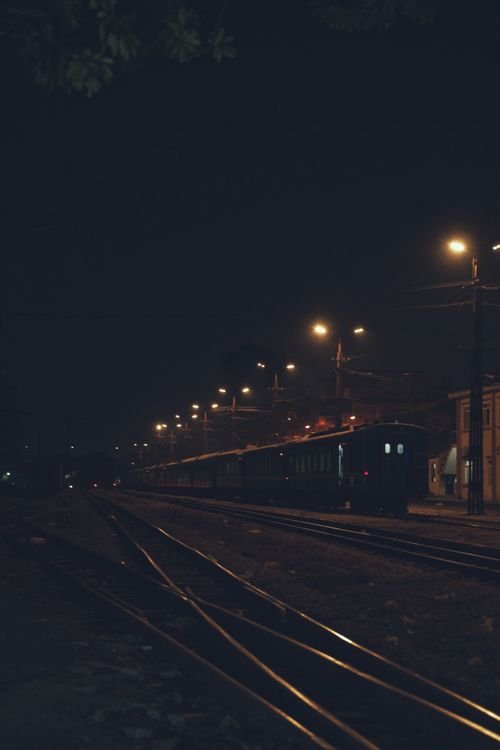
What is the Rome to Sicily night train?
In simple terms, this is an overnight train service that links Rome with destinations in Sicily. You board in Rome, usually in the evening, settle into a cabin or couchette for the night, and arrive in Sicily the next morning, subject to the timetable for your date. The journey is long, because Sicily is an island and the train must travel the length of southern Italy before crossing to the island. That length is part of the appeal for some travellers: you can sleep through much of the distance, wake up in a different region, and avoid a very early airport journey. For other travellers, the length is the main drawback, and a flight may suit them better. There is no single right answer, only a choice that depends on how you like to travel, how much luggage you have, and how flexible your arrival day is.
It is important to understand that this guide does not give a fixed timetable, a fixed fare, or a fixed crossing time. Night services change with the season, with engineering work, and with operator decisions, and different Sicilian destinations may be served by different arrangements. If you read a timetable or a price elsewhere, treat it as a starting point for checking, not as a promise. The most reliable check is always the official operator site for the date you want to travel, where you can see whether a service is running, what cabins are available, and what the current fare and conditions are.
The route in general terms
The route runs south from Rome through Italy towards the southern tip of the mainland, then crosses to Sicily, and then continues to Sicilian destinations. The crossing is the part of the journey that most first-time travellers ask about, and it is also the part where general guides most often overstate certainty. The crossing method, the time it takes, whether passengers stay in their cabin or move, and what happens to luggage during the crossing can vary by operator, train and date — check the operator. Do not assume that you will stay in exactly the same berth throughout, that you will be able to walk around during the crossing, or that food and facilities will be available at every stage. Ask the operator, or check its journey information for your departure, and plan for a period when you may need to wait, move, or simply stay where you are told to stay.
Once in Sicily, onward travel depends on your final destination. Some travellers will arrive at a main Sicilian station and then take a local train, bus, taxi or pre-arranged transfer to their accommodation. Others may be travelling to a town that is served directly, or may need to change. As with the main journey, times and connections vary, so allow a generous gap after arrival, especially if you have a fixed check-in time, a car hire booking, or a tour that starts on arrival day. Sicily is a large island, and the last part of the journey can be longer than it looks on a map, so treat arrival day as a travel day and keep the first evening simple.
Cabin types: what the choices usually mean
Night trains in Italy generally offer a range of accommodation, from seats to couchettes to private sleepers, but the exact types available on a Rome to Sicily departure vary — check the operator. In general, a seat is the simplest and least restful option for a long overnight journey. A couchette gives you a berth in a shared or semi-private compartment, usually with bedding, and is a common middle choice for travellers who want to sleep lying down without paying for a private room. A private sleeper gives you a compartment for your party, often with more privacy, more space for luggage, and, depending on the type, a washbasin or en-suite facilities. Luxury expectations should be kept in check on a standard Italian night service: it is a practical overnight train, not a luxury hotel on wheels, and the best way to judge it is against other overnight options, not against a luxury sleeper such as those compared in our Best Luxury Sleeper Trains in Europe in 2026 — Comparison Guide.
When you choose, think about sleep, privacy, luggage and companions. Solo travellers who are happy to share may find a couchette a good balance, while couples, families and travellers with a lot of luggage may prefer a private sleeper, if available. If you are a light sleeper, a private compartment can help, but it will not remove train movement, stops and the crossing period. If you need a lower berth, step-free access, or space for mobility equipment, check that with the operator before booking. Also check what is included: bedding, breakfast, towels, toiletries and food service all vary by cabin type, train and operator, and should not be assumed. Our first-time sleeper train guide and our sleeper train food guide explain the general patterns, but your operator’s information for your departure is the one that matters.
Booking: what to check before you pay
Book through the official operator site where possible, and check every detail before you pay: the departure station in Rome, the arrival station in Sicily, the date, the cabin type, the number of berths, the fare and its conditions, and any change or refund rules. Fares vary by cabin, date, availability and booking conditions — check the operator — and the cheapest fare on one date is not a guide to the fare on another date. If you are travelling as a group, check whether you can book berths together, and whether a private compartment must be booked as a whole or can be shared. If you are using a rail pass, check separately whether a reservation or supplement is needed for this service, because pass coverage and supplements vary — check the operator and your pass terms.
Also check practical booking details that are easy to overlook. Confirm whether you need to print a ticket or can show it on a phone, what identification you should carry, and what happens if you miss the train or if the service is changed. Keep a copy of your booking, your ticket and the operator’s contact information with you, and keep your documents, money, medication and phone charger in a small bag that stays with you overnight. Our night train luggage guide is useful here, because a long journey to Sicily rewards the same habits as any sleeper: keep essentials close, store larger bags as the operator allows, and do not block aisles or doors. For a longer trip, our Innsbruck winter ski sleeper guide also shows how arrival planning and luggage planning work together, even though the destination is different.
What to expect on board overnight
Expect a working night train, not a quiet hotel corridor. The train will move, stop and start, lights and announcements may wake you, and fellow passengers may move around during the night and during the crossing. Bring earplugs and an eye mask if they help you, wear comfortable layers, and keep water and a light snack with you, because on-board catering varies and may not be available at the time you want it. Toilet and washing facilities are shared on many services, and their availability and condition can vary, so a small toiletries bag and a change of clothes for the morning will make arrival much easier. If you are travelling with children, plan entertainment, snacks and a simple bedtime routine, and keep their essentials in the cabin rather than in a larger bag stored elsewhere.
Arrival in Sicily: a calm first day
After a long night, the best arrival plan is a simple one. Get organised at the station, confirm your onward transport, and do not rush into a long drive or a full sightseeing day if you can avoid it. If you have hired a car, check the pick-up location and time in advance, and allow time to rest before driving, especially if your sleep was broken. If you are staying near your arrival station, a short walk or taxi may be all you need. If you are heading further across Sicily, check local transport times on the day, because they vary, and keep water, snacks and your phone charged. A calm first day often makes the rest of a Sicily trip better, because you arrive rested enough to enjoy it, rather than exhausted from trying to do too much too soon.
Frequently asked questions
How long does the Rome to Sicily night train take?
It is a long overnight journey, and the exact duration varies by destination, train and date — check the operator. Treat any duration you see elsewhere as a guide for checking, not as a fixed promise.
Do I stay on the train during the crossing to Sicily?
That varies by operator, train and date — check the operator. Do not assume you will stay in your cabin, or that you will be asked to move, until you have checked the information for your departure.
What cabin should I book?
For a long night, a berth is usually much more restful than a seat. A couchette is a good middle option, while a private sleeper offers more privacy and space if it is available. Availability, inclusions and fares vary — check the operator.
Is food included?
That varies by cabin, train and operator. Some services include a simple breakfast, others offer food to buy, and others offer little on-board catering. Carry water and a light snack, and check the operator for your departure.
Can I use a rail pass?
Possibly, but reservations or supplements may still be needed, and pass terms vary — check the operator and your pass terms before you rely on a pass for this service.
Last checked: 27 October 2026. Times, fares, routes and crossing arrangements vary — check the official operator site before booking.